Hobbies then and now
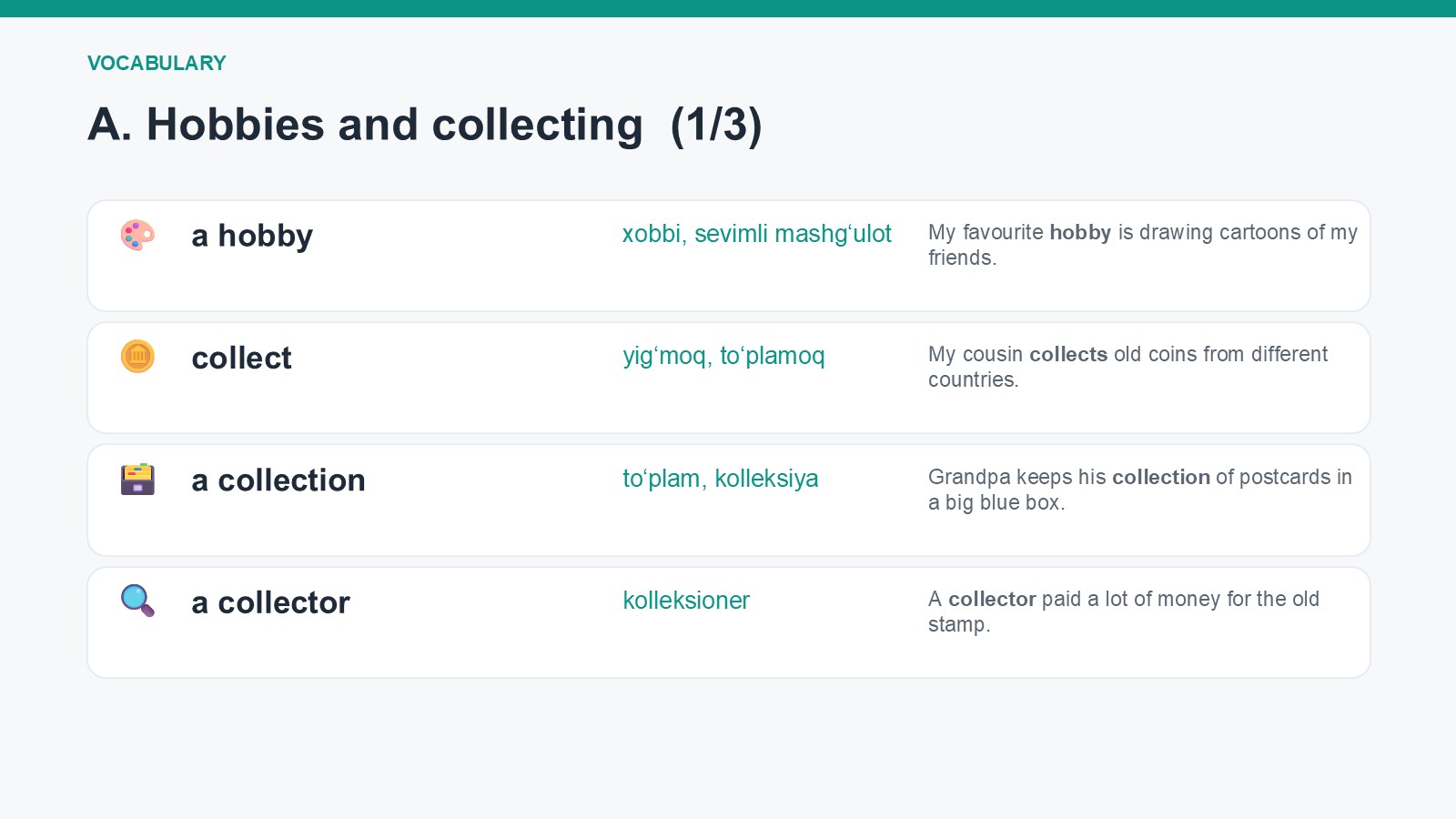
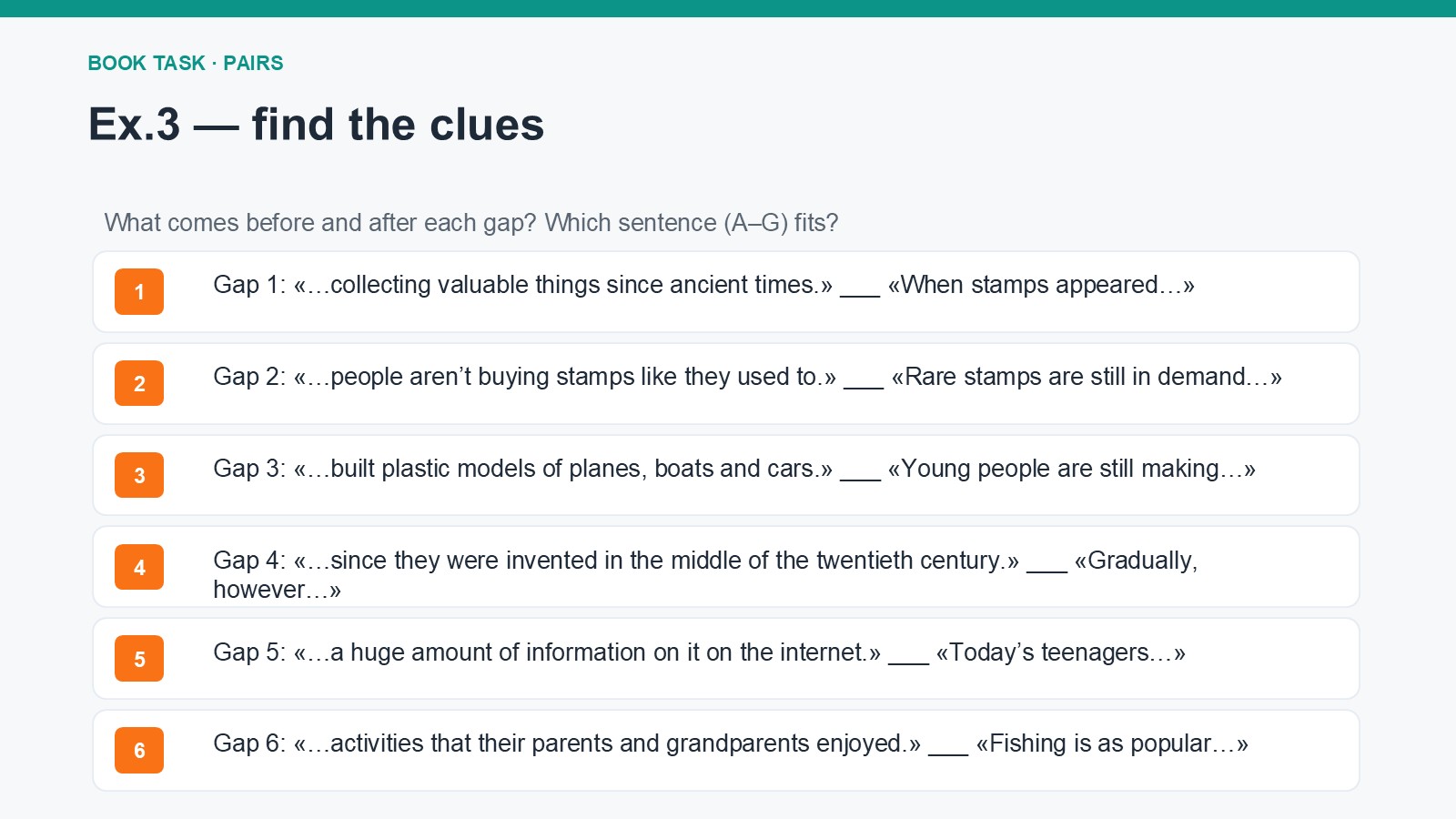
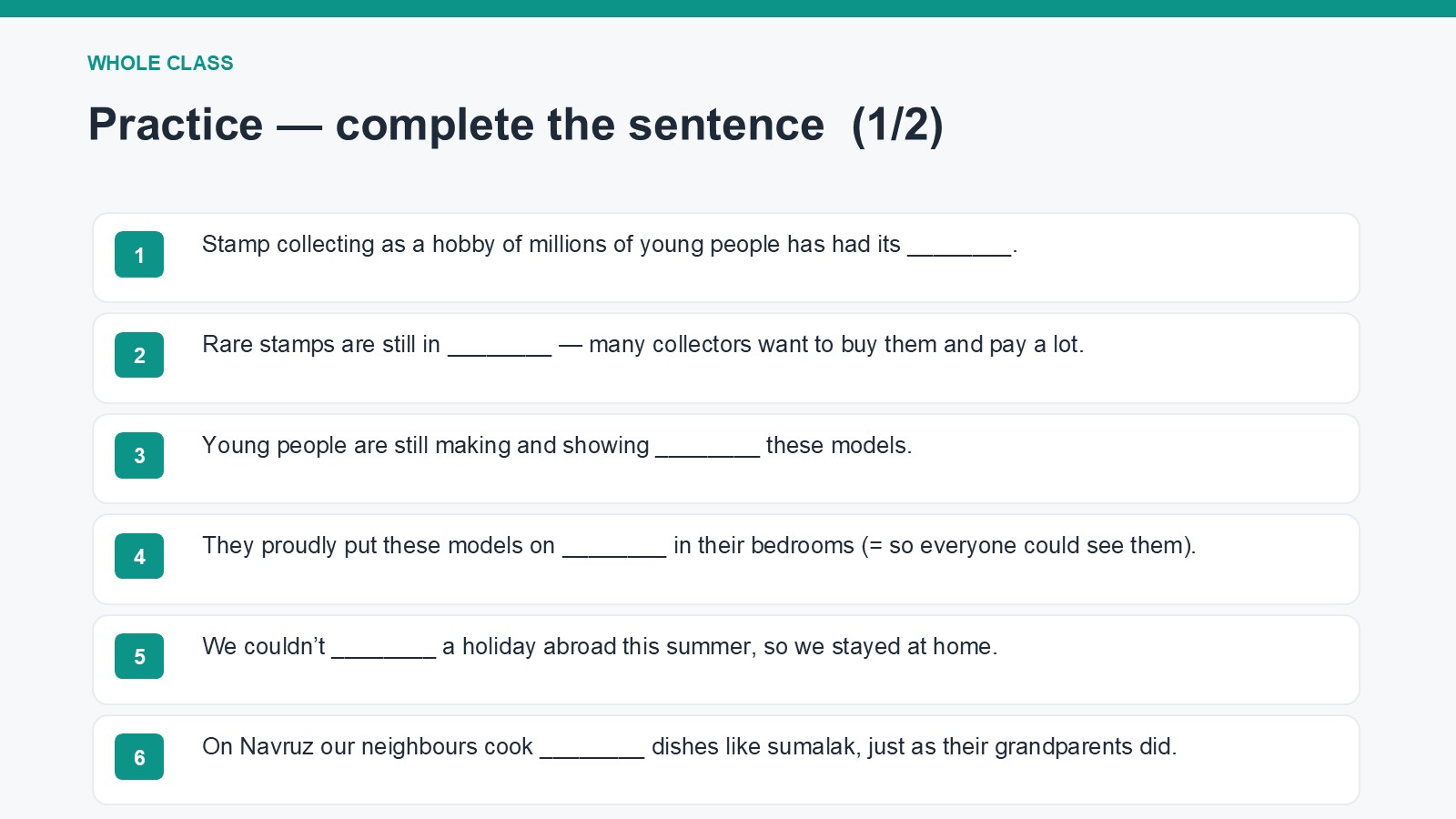
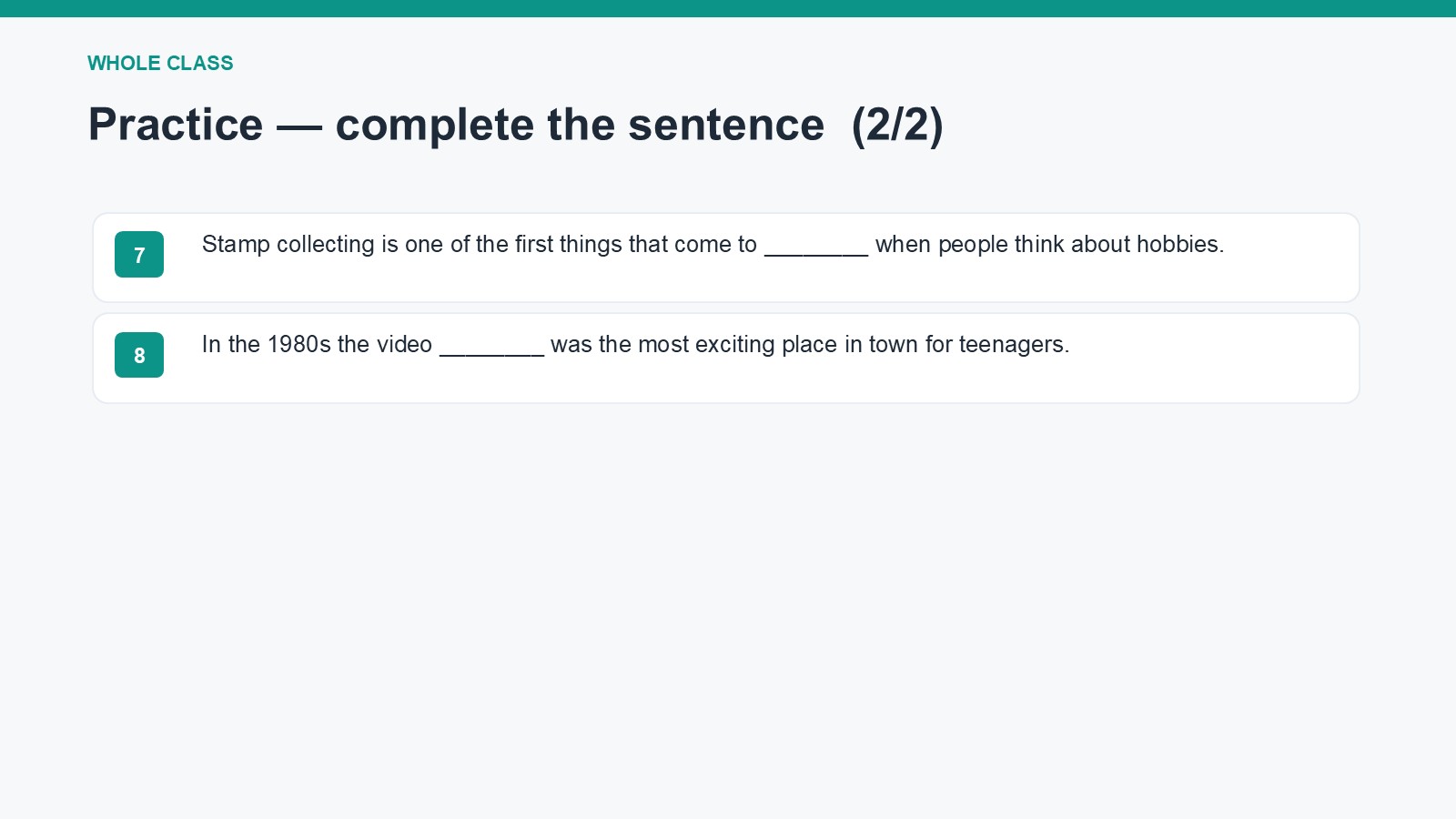
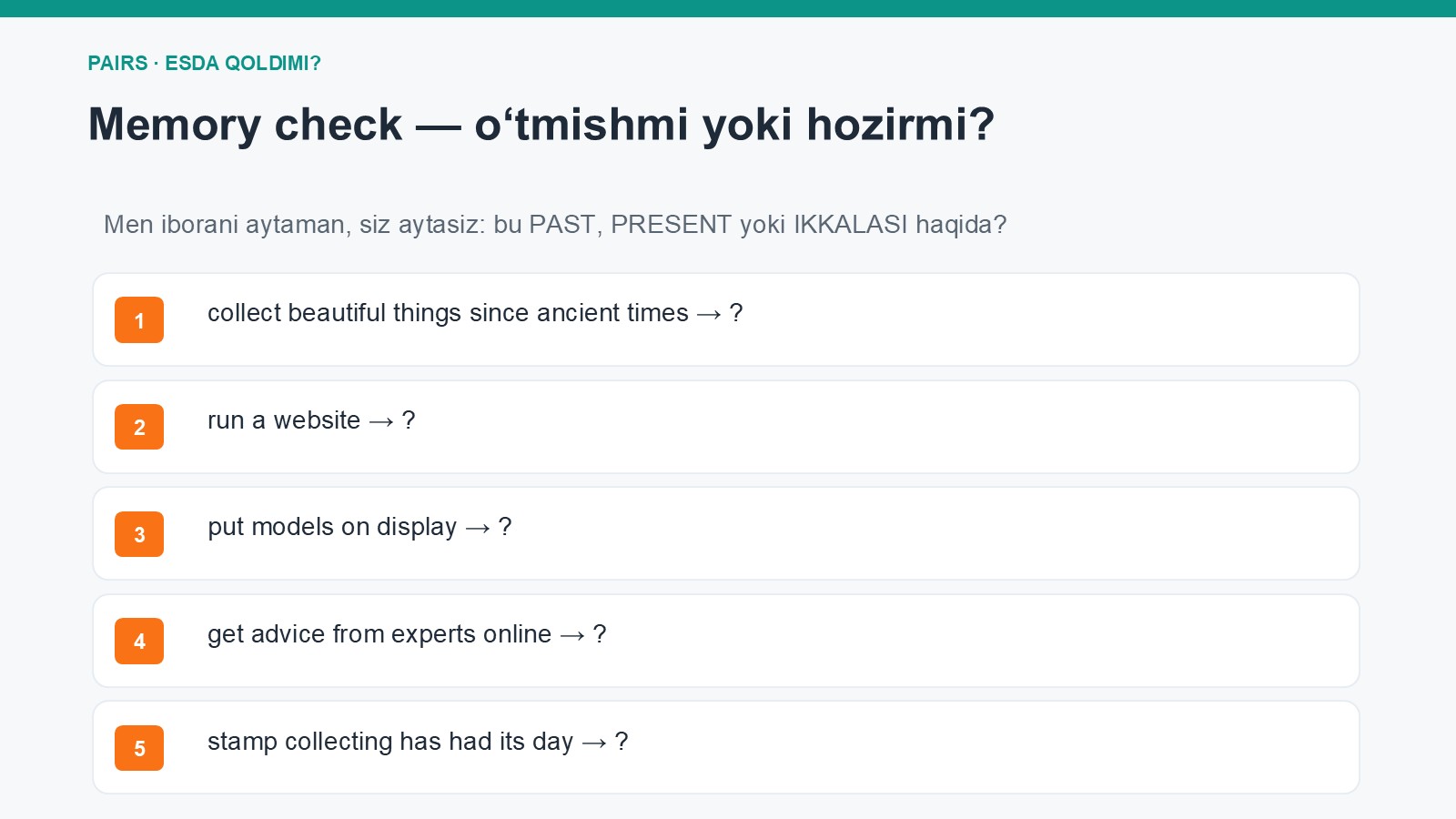
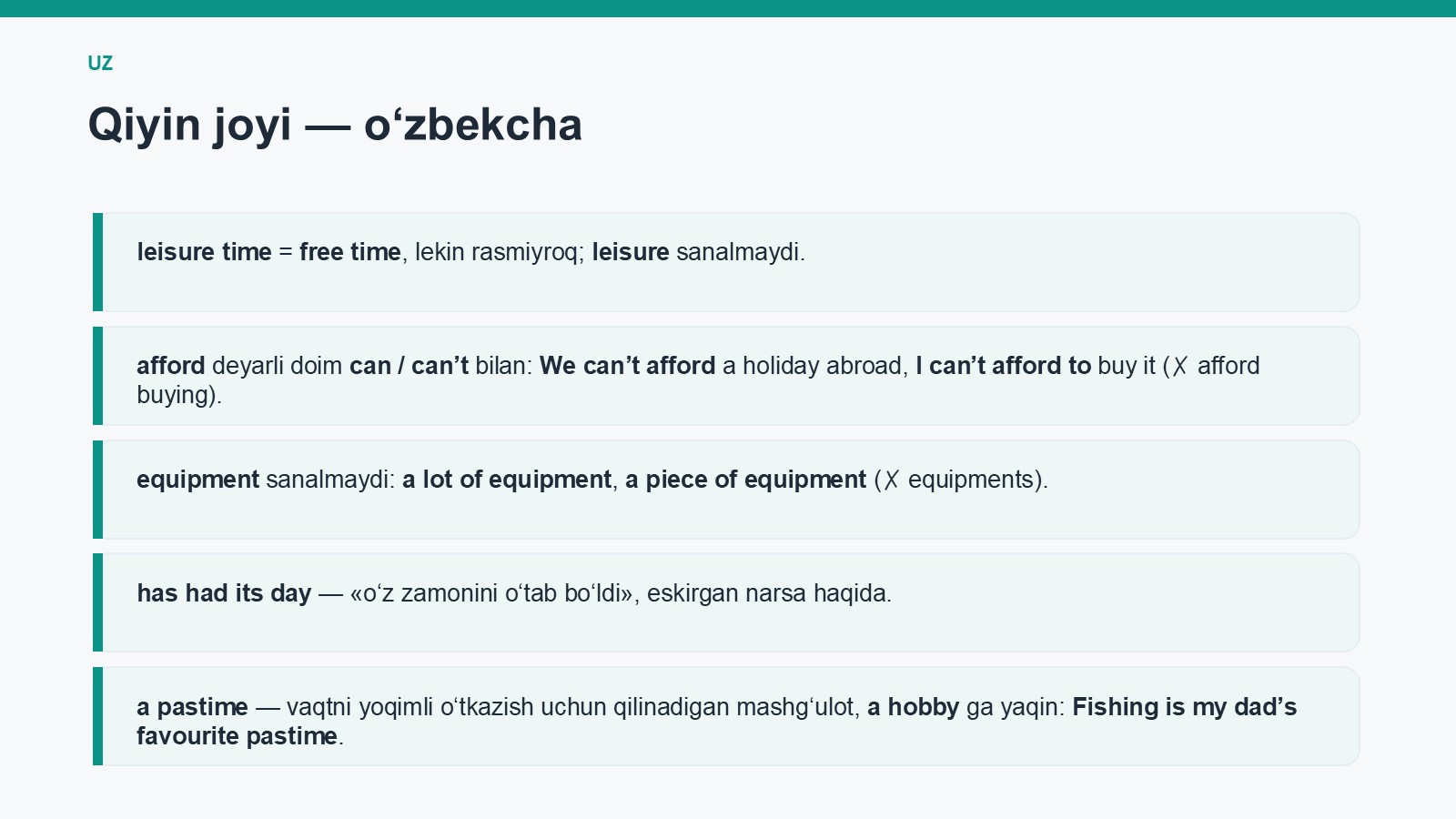
In the twentieth century, more and more people had leisure time, and many of them took up a hobby. For millions of children that hobby was stamp collecting. Stamps were cheap and colourful, and a big collection was something to be proud of. Some old stamps are worth a lot of money even today.
But email has had an impact on this popular pastime. Messages now travel instantly, so people buy fewer stamps. Rare stamps are still in demand, but for most young people stamp collecting has had its day.
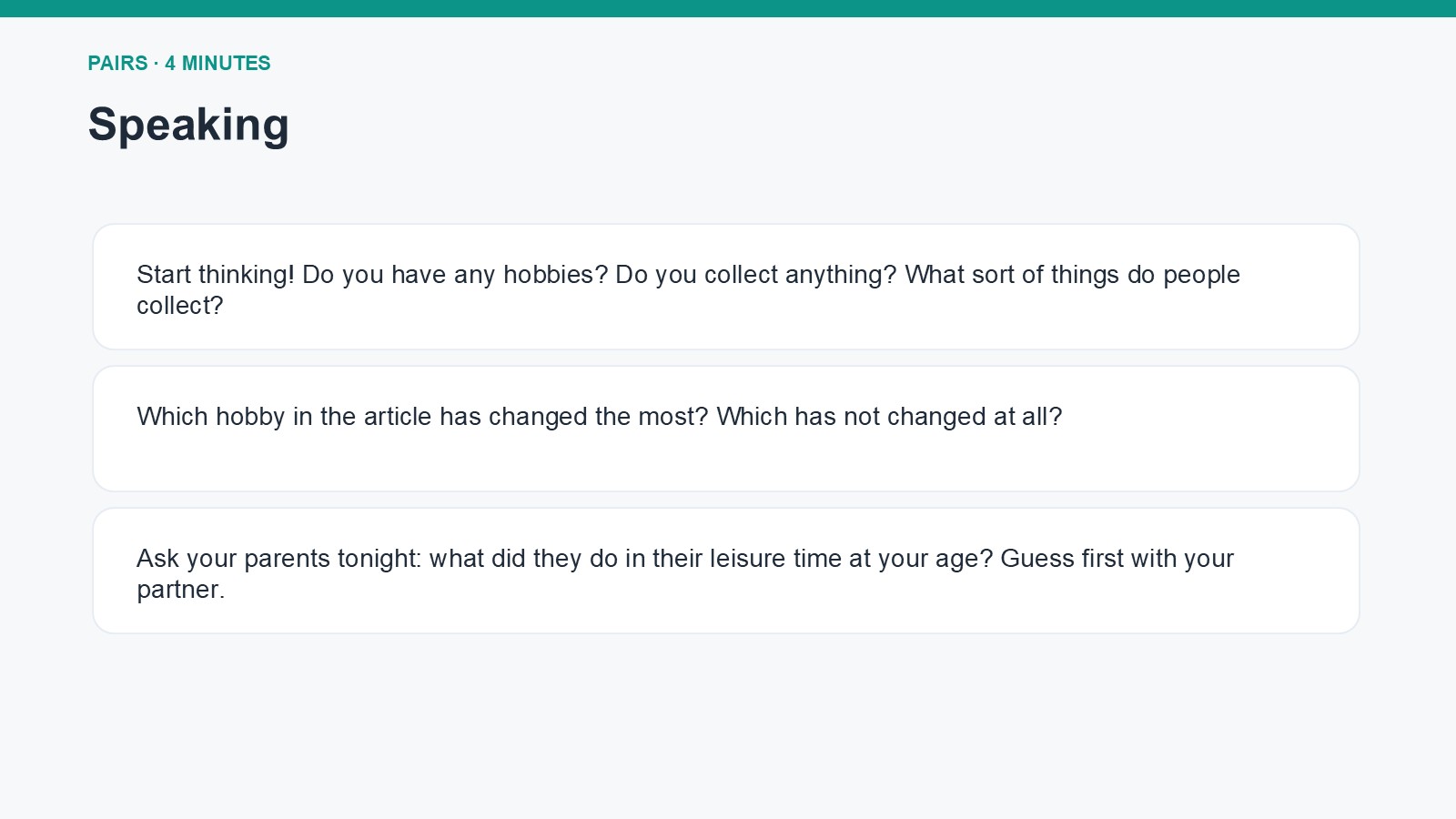
Generations of boys and girls built models of planes and cars and put them on display in their bedrooms. Teenagers still show off their models, but the nature of the hobby has changed: old models were simple wood or plastic ones with few moving parts, but modern models are computerised and move like robots.
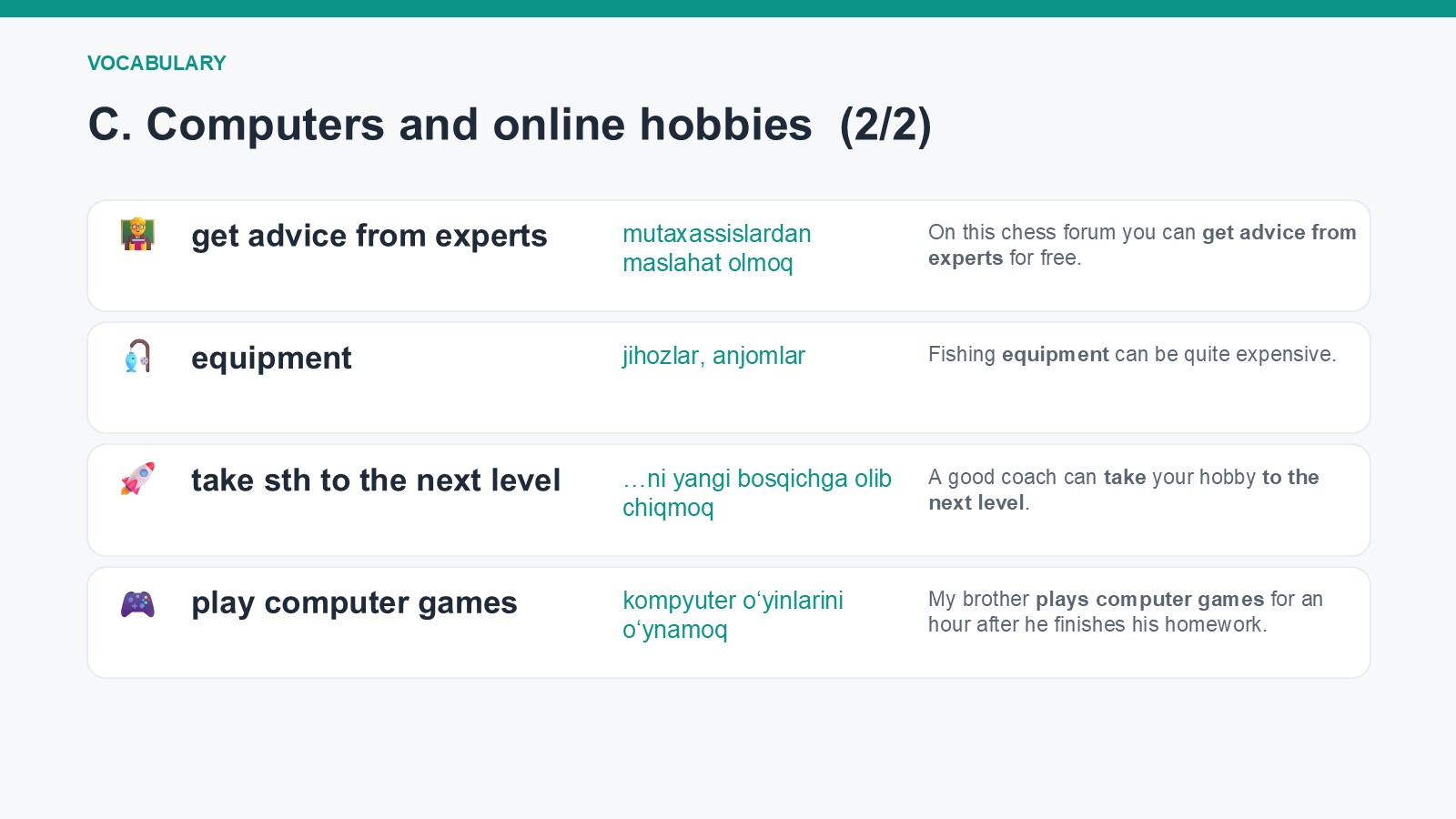
Computers came into homes gradually. Today they give us entertainment and new hobbies: people run websites, communicate with friends around the world and get advice from experts. In the past, young people had to rely on people they knew or a local library. Some things, though, never change — and geocaching, a modern treasure hunt played with a smartphone, is very similar to letterboxing, a game people played about 150 years ago.
Savollar: 1. Why did many people take up a hobby in the twentieth century? · 2. Why do fewer people collect stamps today? · 3. How have models changed? · 4. Where did young people learn about their hobby in the past? · 5. What old game is geocaching similar to?