How families keep in touch
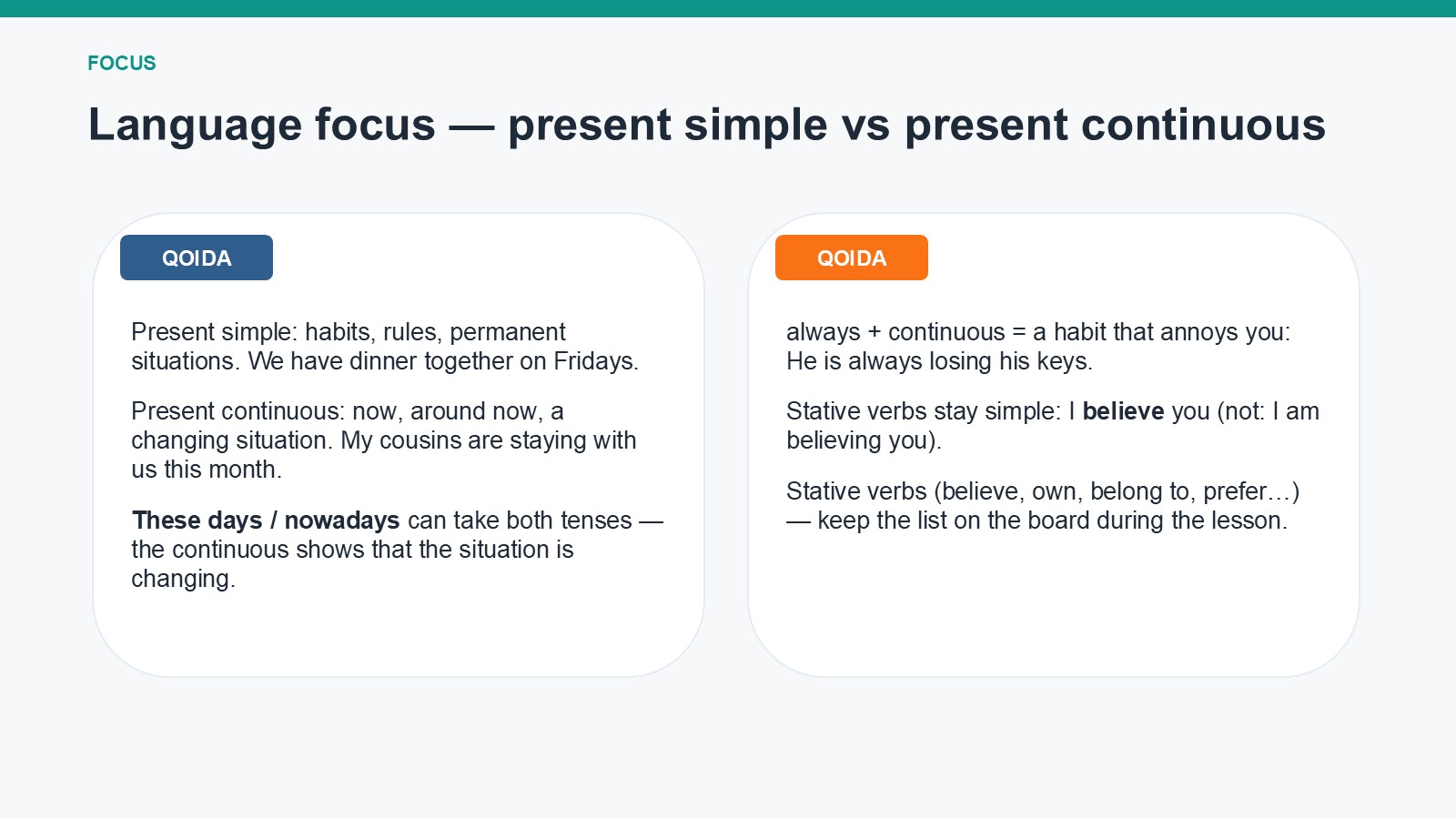
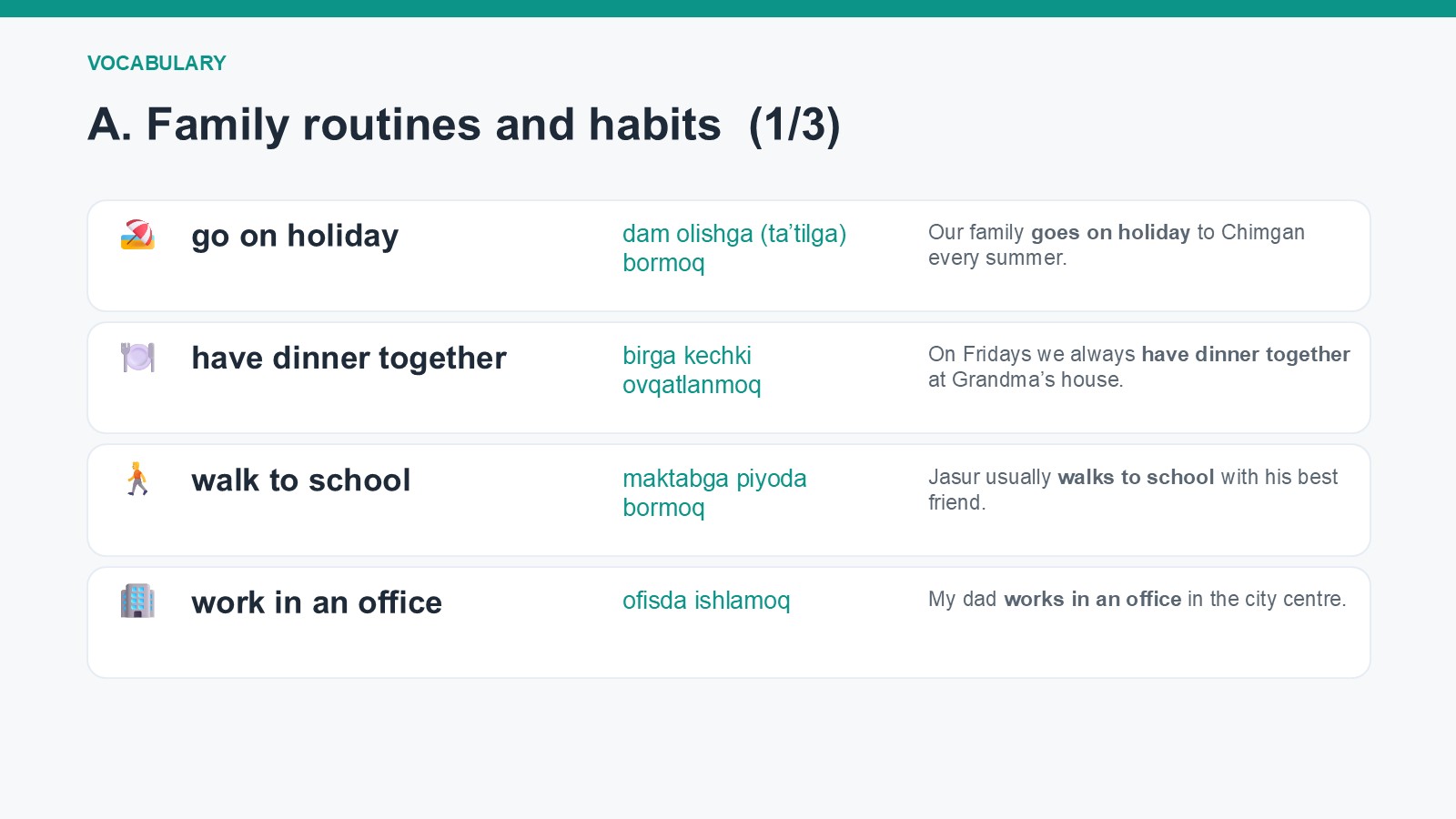
As a rule, our family eats together on Fridays. From time to time somebody is missing — my brother currently studies in Tashkent and at the moment he is studying for his exams — but these days we all appear on one screen anyway.
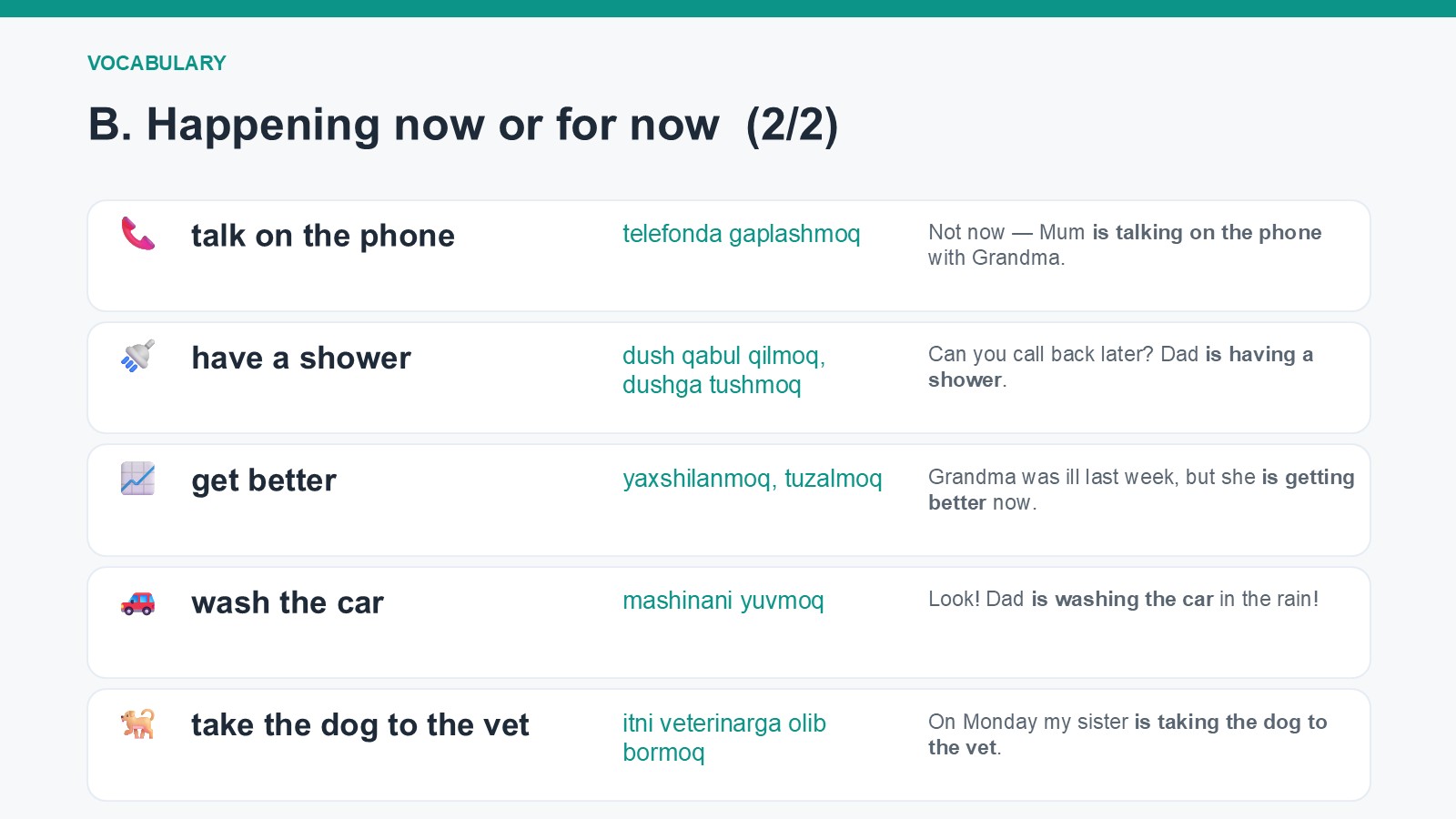
Right now my mother is cooking and my father is washing the car outside. My grandmother, who hardly ever uses a phone, prefers letters, and believe me, she still writes them.
I understand her. A letter means more than a message: it contains the handwriting, the paper, the time somebody spent. I realise that this seems old-fashioned, but I recognise the value of it.
Every family deserves that kind of attention. It matters who you call and how often; it depends on you, not on the technology. Whatever belongs to the past, one thing involves no screen at all — sitting down and listening.
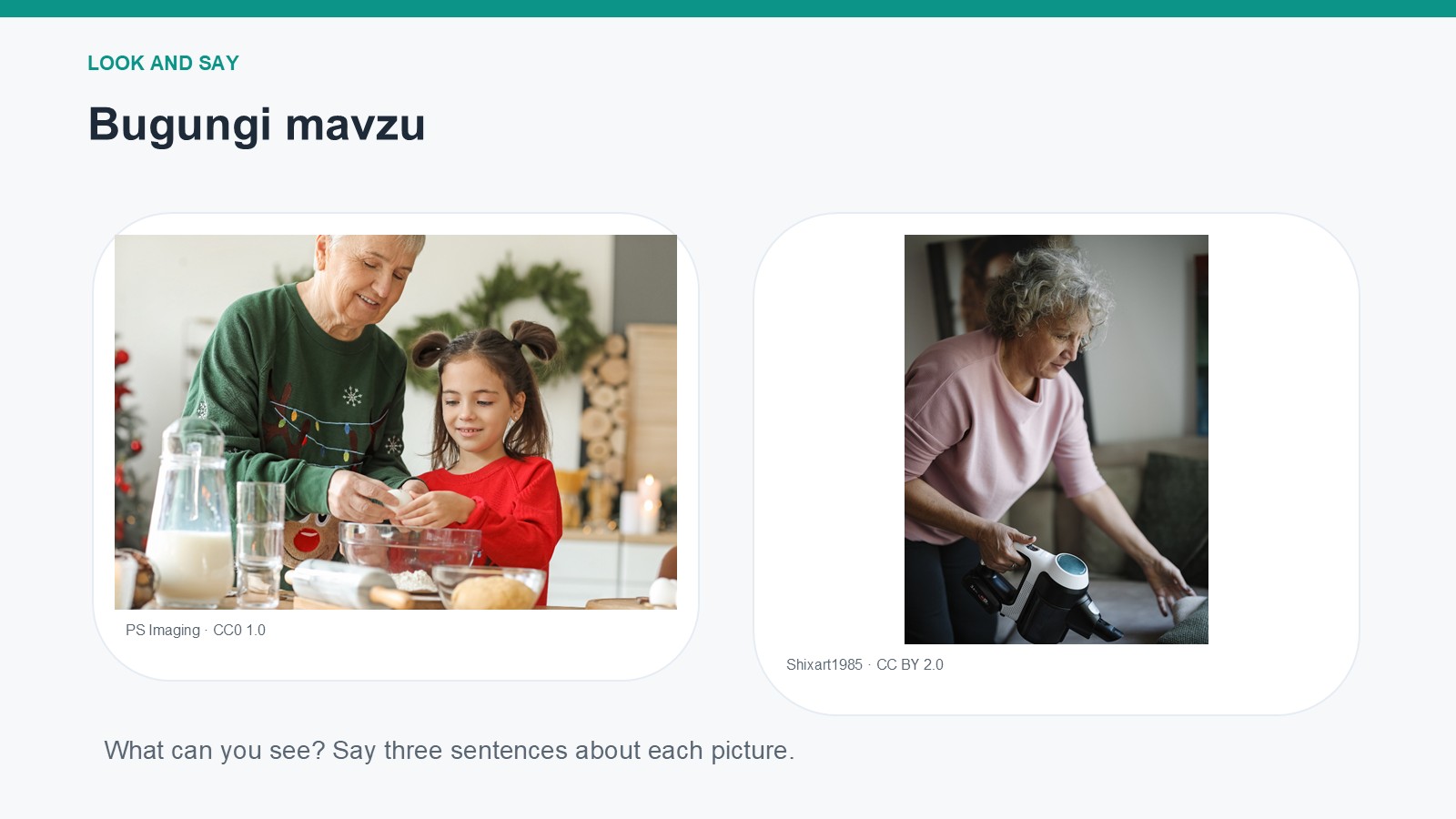
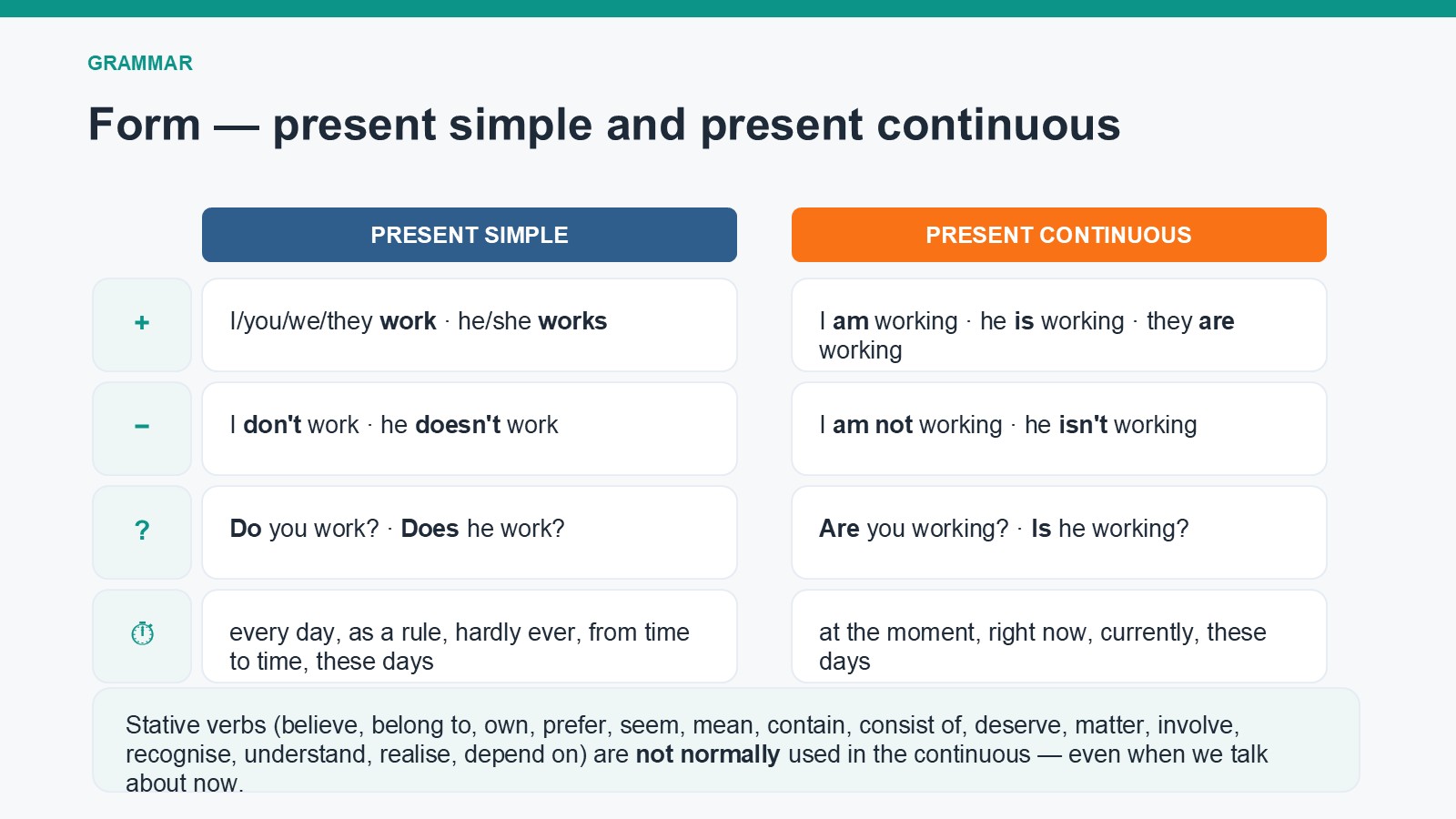
The housework is another kind of contact. We take turns: my sister and I share the housework, and every now and then our cousins drop by and help out. Someone has to do the chores, someone has to do the washing-up, and whoever finishes first gives the other a hand.
My father commutes to the factory and on a regular basis he gives my aunt a lift or drops her off at the clinic. Once in a while we all have dinner together at my grandmother's house, catch up with each other and keep in touch for another month.
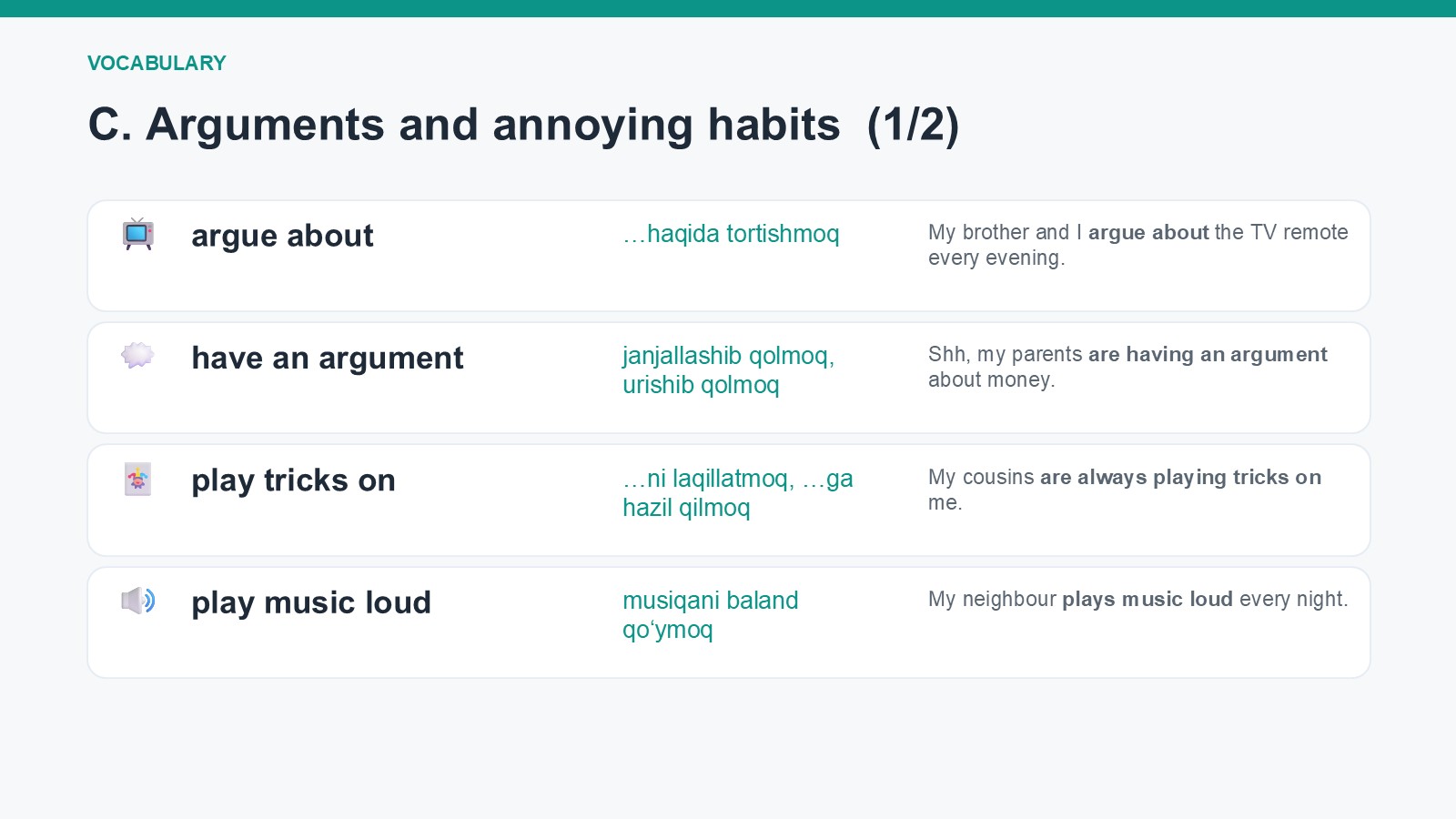
Families are also made of small habits. My parents support us and respect our choices; they trust us, so we rely on them. They encourage more than they criticise, and they forgive quickly. My uncle plays tricks on everybody and my grandmother spoils the youngest, but nobody argues for long. I take after my mother and I look up to my father, who was brought up in a village and still gets on with everyone he meets.
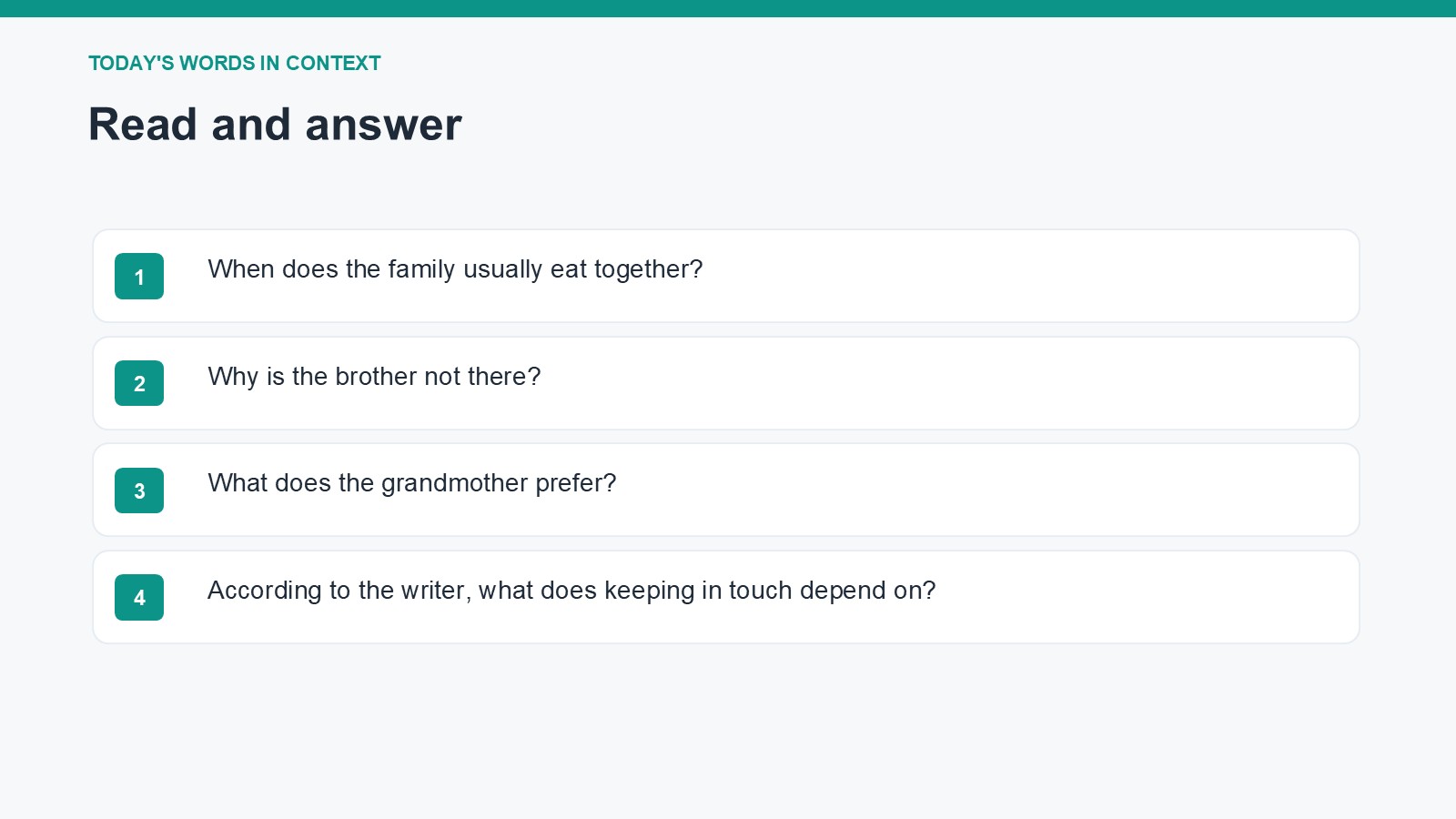
Savollar: 1. When does the family usually eat together? · 2. Why is the brother not there? · 3. What does the grandmother prefer? · 4. According to the writer, what does keeping in touch depend on?